
The Purification Offering — Turning Again Toward God's Target
Spiritual Cleansing for the Community
My sin does not end with me
Leviticus 4:13-21EnglishThe English PDF edition is currently in preparation.
In this article 5
Spiritual Cleansing for the Community
My sin does not end with me
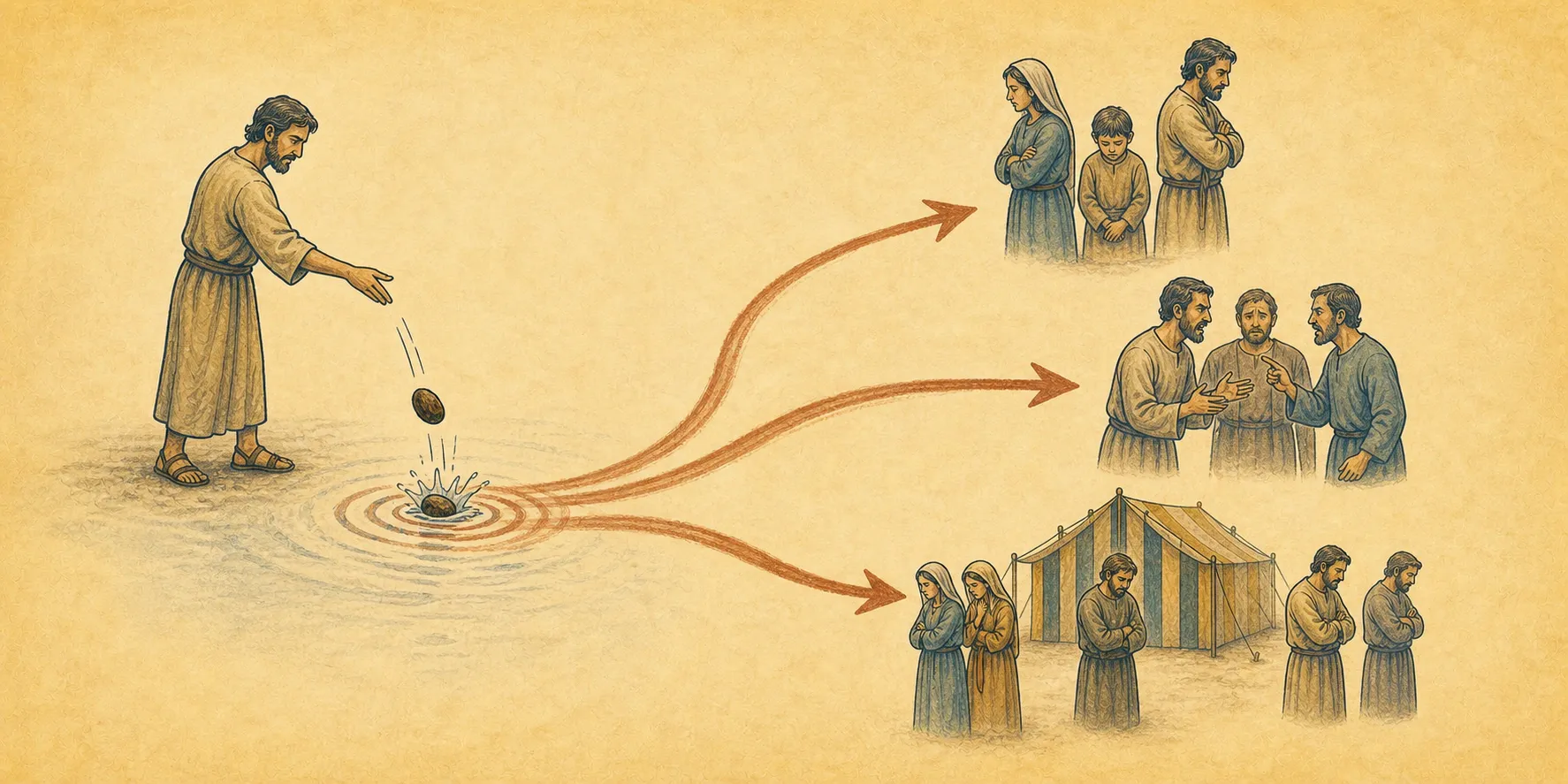
The wounds one person’s sin leaves on many others
The purification offering did more than cleanse the individual who had sinned. It also cleansed the sanctuary affected by that sin.
Rabbi Hirsch understood an individual’s sin to accumulate defilement in the sanctuary, the spiritual center of the community. If sin continued to accumulate, God’s presence and the community’s fellowship would be threatened.
Offering a purification offering, therefore, did not end with the confession, “Please forgive my sin.”
“Please cleanse again the community that my sin has defiled.”
A single word I speak, a small compromise I make, or a hidden desire I harbor sends ripples through my family, church, workplace, and neighborhood. The purification offering is a holy cleansing through which the community to which I belong may dwell again in God’s presence.
The Purification Offering for the Whole Congregation
One leader’s misjudgment can shake an entire community
“If the whole congregation of Israel sins unintentionally in any one of the LORD’s commandments, and the matter escapes the notice of the assembly… when the sin that they have committed becomes known, the assembly shall offer a bull from the herd for a purification offering…” — Leviticus 4:13–14
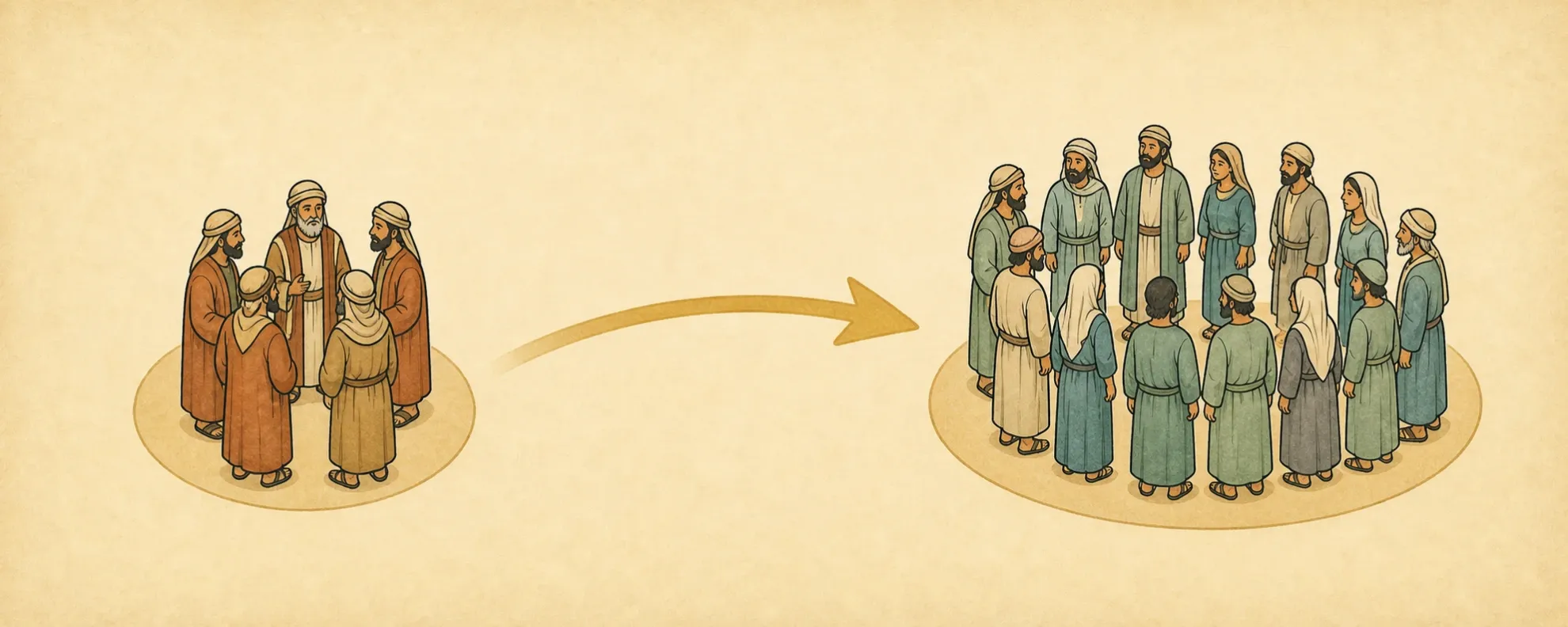
From the representatives’ judgment to the life of the community
This passage uses two Hebrew words for “congregation.” The first is edah (עֵדָה), and the second is qahal (קָהָל).
Rabbi Hirsch connects the first term, edah, with the highest court that represented the community of Israel in interpreting and judging the law—the Sanhedrin. The second term, qahal, refers to the whole assembly of people who actually lived according to that ruling.
Wenham points to Joshua 9, where Joshua and the elders entered a peace treaty with the Gibeonites because of faulty judgment, as an example of an edah’s misjudgment affecting the community. In Numbers 15:32, edah likewise refers to leaders representing the community.
When community leaders make an erroneous decision or judgment, the consequences appear in the lives of all the people. Once the wrong came to light, therefore, a few leaders could not simply deal with it in secret and consider the matter closed. The whole community had to face the sin and take part in the process of atonement.
Hirsch, pp. 129–130; Wenham, pp. 98–99; Joshua 9; Numbers 15:32
Application today: When a nation’s supreme or constitutional court renders an unconstitutional or otherwise wrongful judgment, the effects reach the entire country. When the error becomes known, it should not be quietly handled by a few people and then passed over; it must be made public and responsibly corrected.
Leadership Is a Place of Discernment, Not Power
Decisions made by leaders in church and society affect the lives of countless people. A leader’s ignorance or misjudgment can direct an entire community down the wrong path.
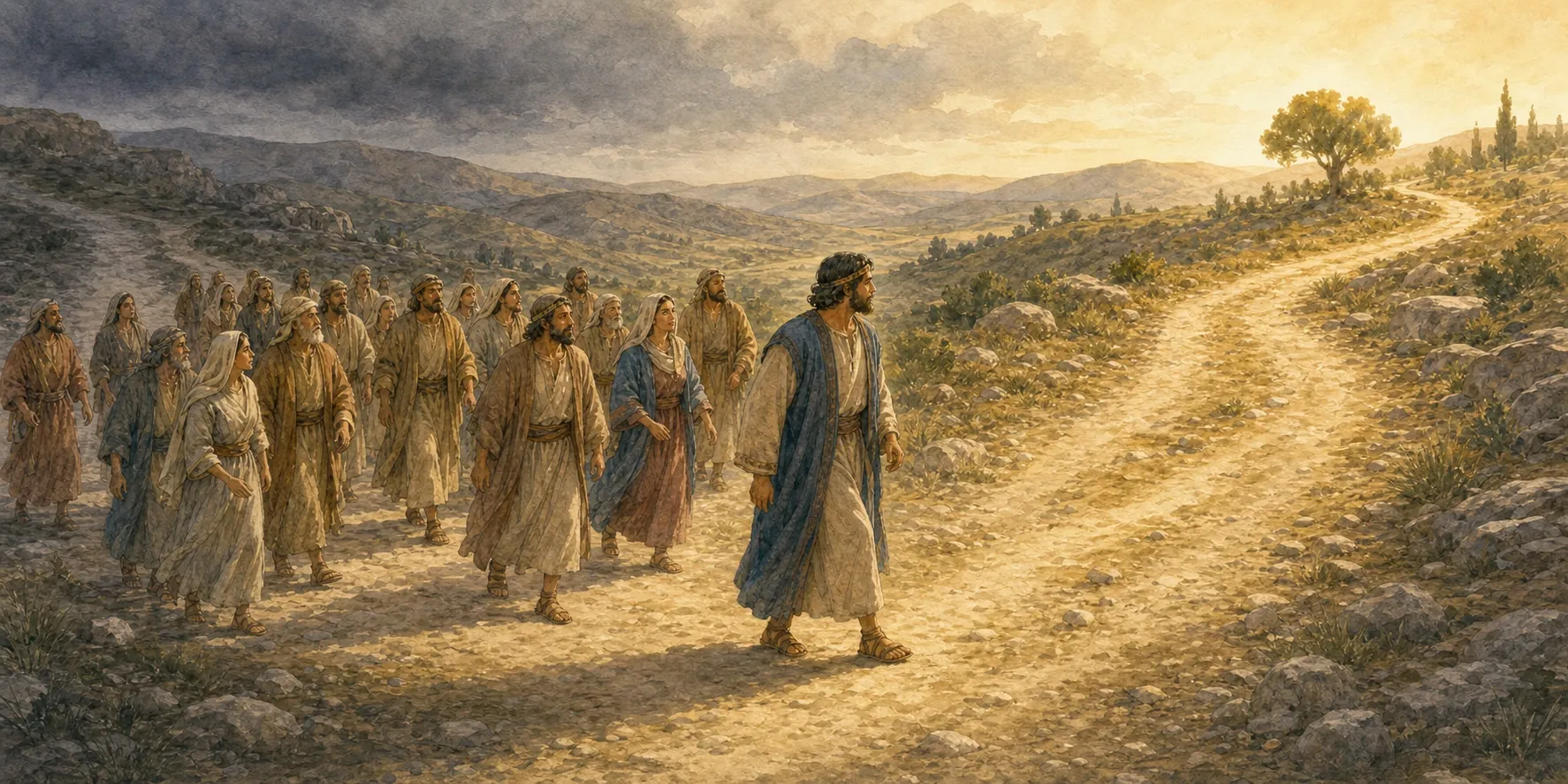
One person’s choice becomes the direction of the community
Leadership, therefore, is not a place for enjoying power. It is a place of responsibility for the community’s life and of discerning God’s will.
Leaders must not treat their own judgment as absolute. They must continue to ask before the Word:
“Does this decision truly accord with God’s justice?”
“Am I disguising my own will and desires as the will of God?”
The authority of leadership does not come from ceasing to ask questions. It comes from the humility to keep examining oneself in light of the Word and to turn back when error is found.
Do Not Hide Behind “I Didn’t Know”
The people may have trusted and followed their leaders’ judgment. Once they recognized the sin, however, they could not shift responsibility by saying, “We only did what we were told.”
A leader’s misjudgment does not end with one person. The entire community that followed that judgment must stand together before its consequences.
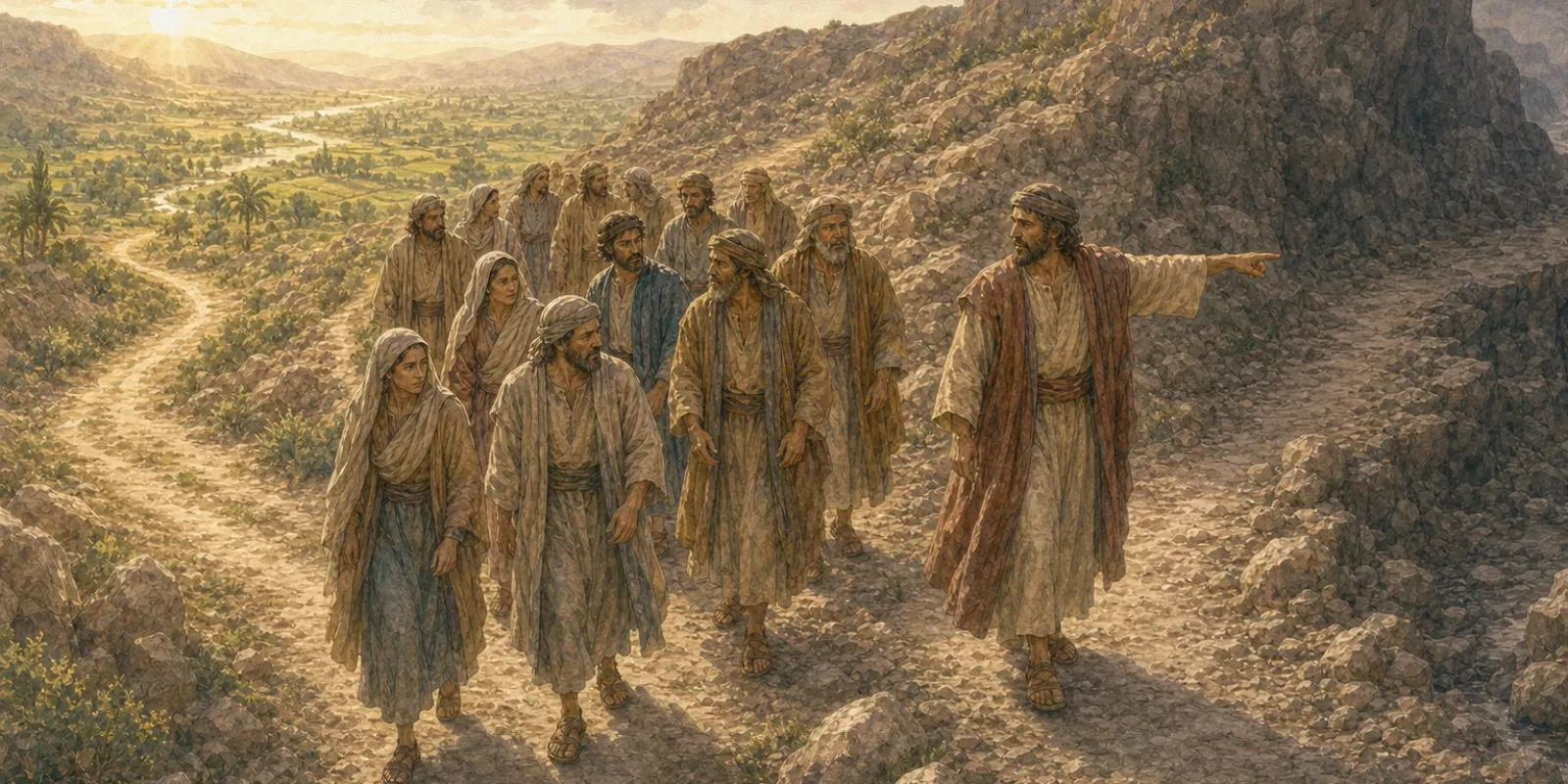
A leader guides the community down the wrong path
Belonging to a community means sharing not only in its joys but also in its pain and responsibility.
When a family, church, workplace, or society goes astray, we readily say:
“It wasn’t my decision.”
“Everyone did it; there was nothing I could do.”
But God also examines the posture we conceal behind anonymity. We must ask whether we too bear responsibility for remaining silent before a broken system or going along with it.
When we discover communal sin, pointing fingers is not enough. The community’s restoration begins with the confession, “As one who belongs to it, I too bear responsibility.”
Covering Up Sin Does Not Protect the Community
When serious wrongdoing comes to light within a community, we may want to cover it quietly because “it would be shameful if outsiders found out.” Hidden sin, however, does not disappear. It spreads more deeply where no one can see it.
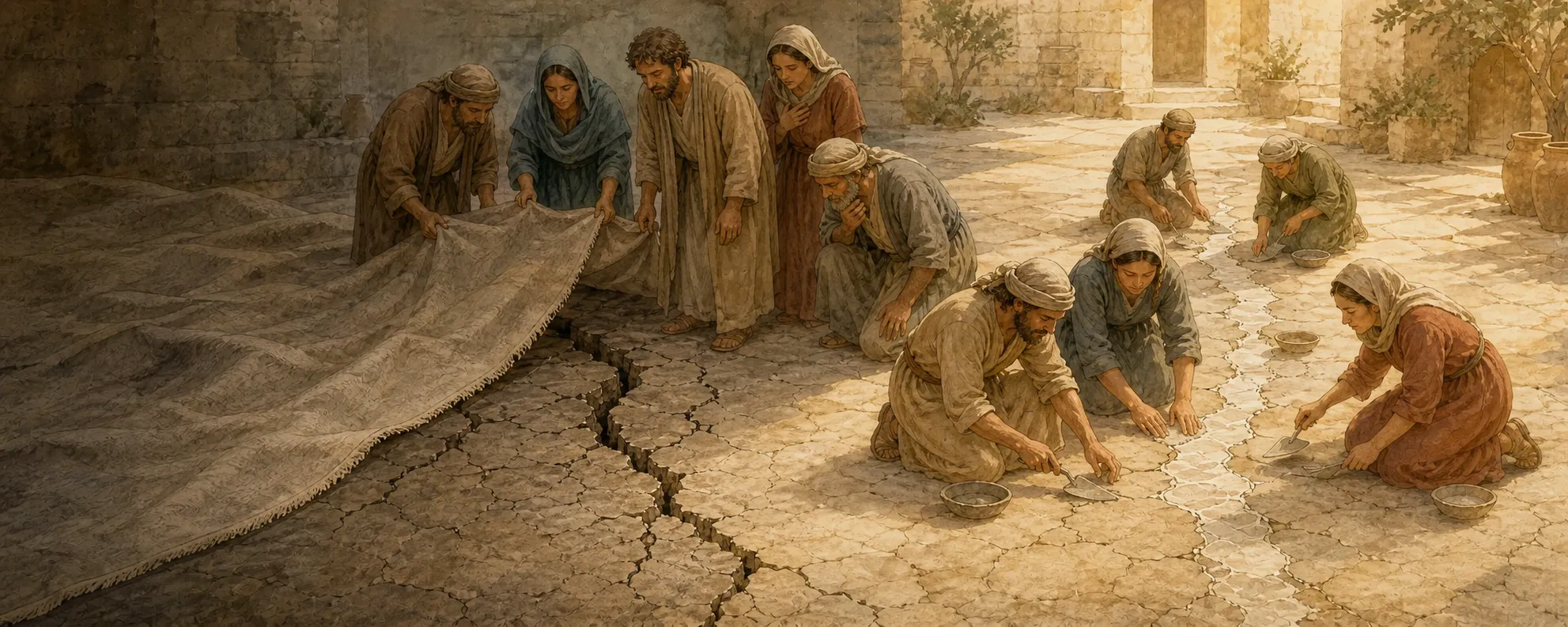
From concealment to confrontation · From fracture to restoration
The purification offering for the congregation required the wrong to be faced publicly. This does not mean sensationally exposing every matter to the world. It means honestly acknowledging sin and responsibly setting it right.
True restoration does not begin with saving face. It begins with standing before the truth.