
The Purification Offering — Turning Again Toward God's Target
Tame and Tahor
The condition of a soul whose relationship with God has come to a halt
Leviticus 5:2-13EnglishThe English PDF edition is currently in preparation.
In this article 3
Tame and Tahor
“If anyone touches an unclean thing—whether the carcass of an unclean wild animal, or the carcass of unclean livestock, or the carcass of an unclean swarming thing—even though it is hidden from him, he is unclean and incurs guilt.”
— Leviticus 5:2
The condition of a soul whose relationship with God has come to a halt
- Tame (טָמֵא): an unclean state
- Tahor (טָהוֹר): a clean state
When we hear “unclean,” we easily imagine a hygiene problem—something dirty on the body that must be washed away.
Rabbi Hirsch’s explanation of tame, however, is closer to a condition in which a person’s free moral will has weakened and the vitality of life has been obstructed than to a physically dirty state.
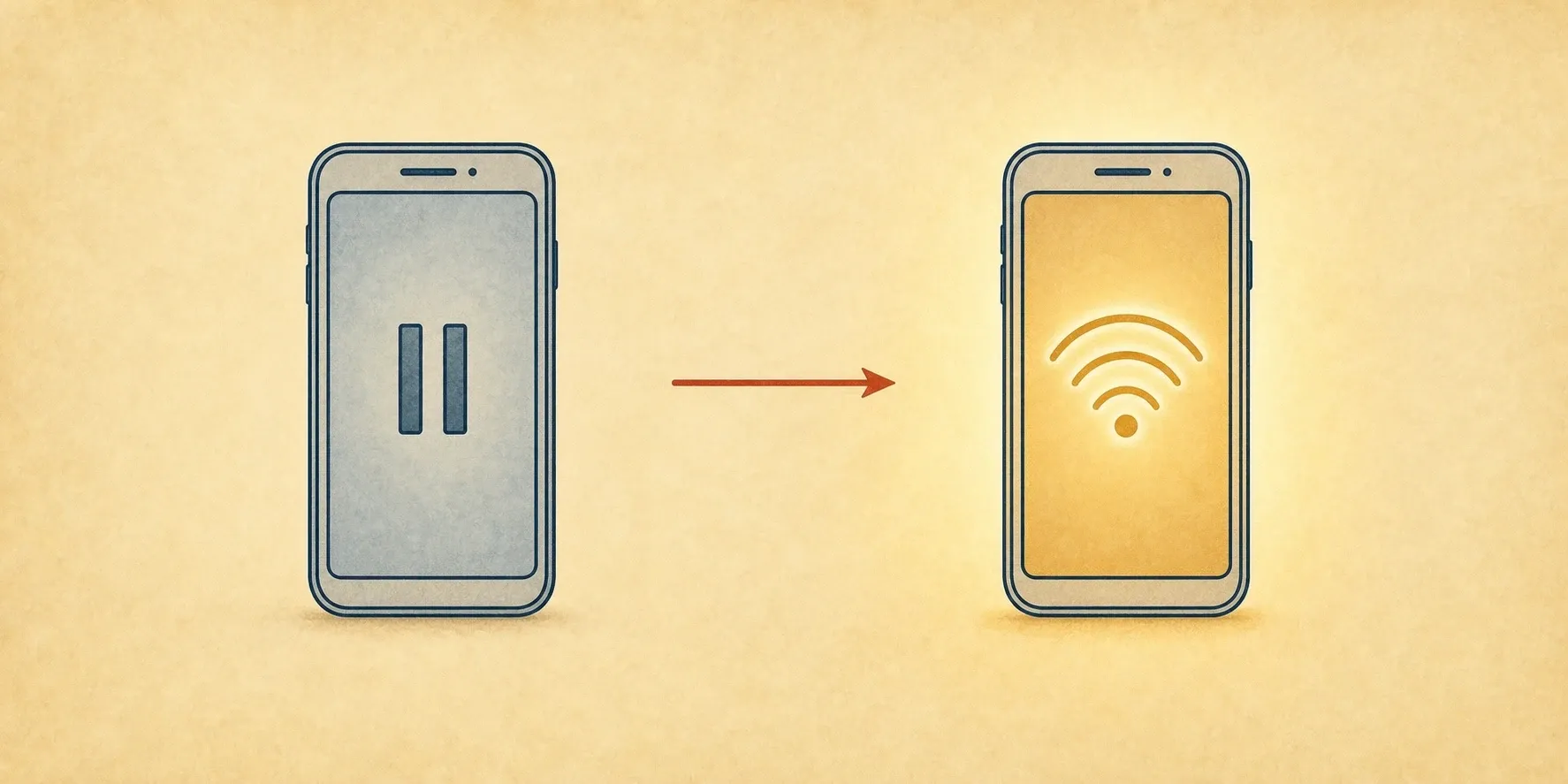
Being tame is like a smartphone that has frozen. The device has not been destroyed, but its signal is blocked and it has stopped functioning.
The person has not become worthless. The image of God has not disappeared. Rather, the functioning of heart and soul has temporarily stalled, and the will to choose the good has contracted.
It is as though someone has pressed the soul’s pause button.
Why Does Contact with Death and a Carcass Make a Person Tame?
God gave human beings free will—the capacity to plan, choose, and do good. We can dream of a better tomorrow, choose to love, and rise again in the midst of hardship.

Yet when we face death, thoughts like these may press in:
“No matter how diligently I live, I will die in the end.”
“What meaning does any of my effort have?”
Death can fill a person with profound powerlessness. Seeing a living, moving being brought to a halt can momentarily freeze our own will and hope.
Rabbi Hirsch viewed this contraction of free will and the desire for life before death’s overwhelming power as an important dimension of tame (uncleanness).
To be tame does not pronounce the condemnation, “You are a filthy person.” It is more like the diagnosis, “Your soul is now weighed down and immobilized by the power of death.”
What, Then, Is the Purification Offering?
Grace that starts a halted soul again

When a computer or smartphone freezes, one of the first things we try is restarting it. Restarting does not mean throwing the device away. It means starting a stalled system again so that it can recover its intended function.
The purification offering brought in Leviticus 5 by a person who had come into contact with uncleanness is similar. God says to the person weighed down by death and powerlessness:
“You are not a being imprisoned by death.”
“You can still choose the good.”
“You are a person whom I made with dignity.”
“Now rise and begin again.”
The purification offering is not God’s scolding of a dirty person. It is God’s compassionate care and healing process, raising up again a soul that has been brought to a halt beneath the power of death.
God does not discard sinners. He restores them to life and purpose.