
The Guilt Offering — Repentance That Repairs What Was Broken
When We Trespass against What Belongs to God
A close look at the process of valuing a trespass against sacred things by the sanctuary shekel and repaying the principal with an added fifth.
Leviticus 5:14-16EnglishThe edited PDF edition is in preparation.
In this article 5
LESSON 6 · LEVITICUS 5:14–19
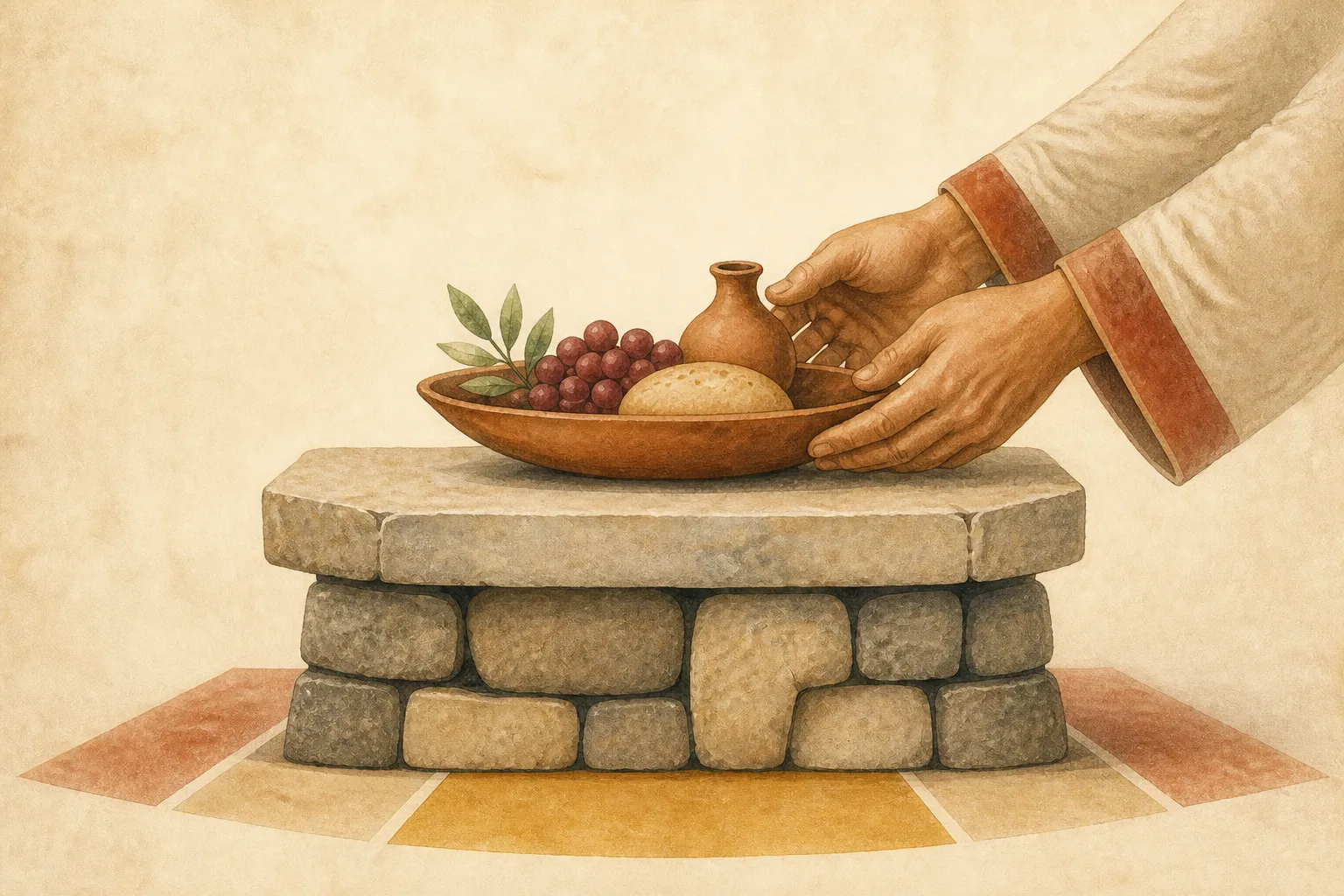
An offering presented to God
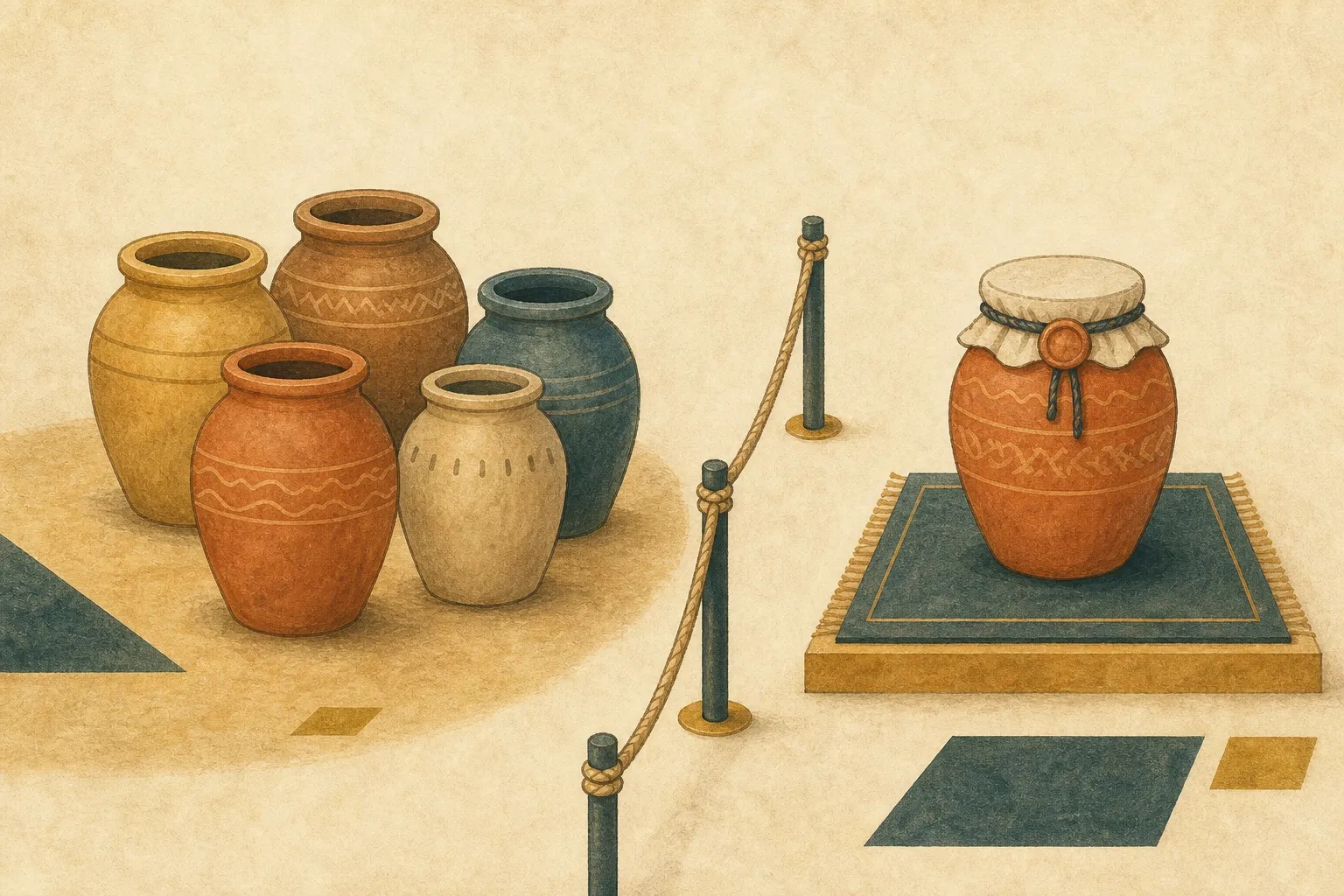
Something removed from ordinary use and set apart for God
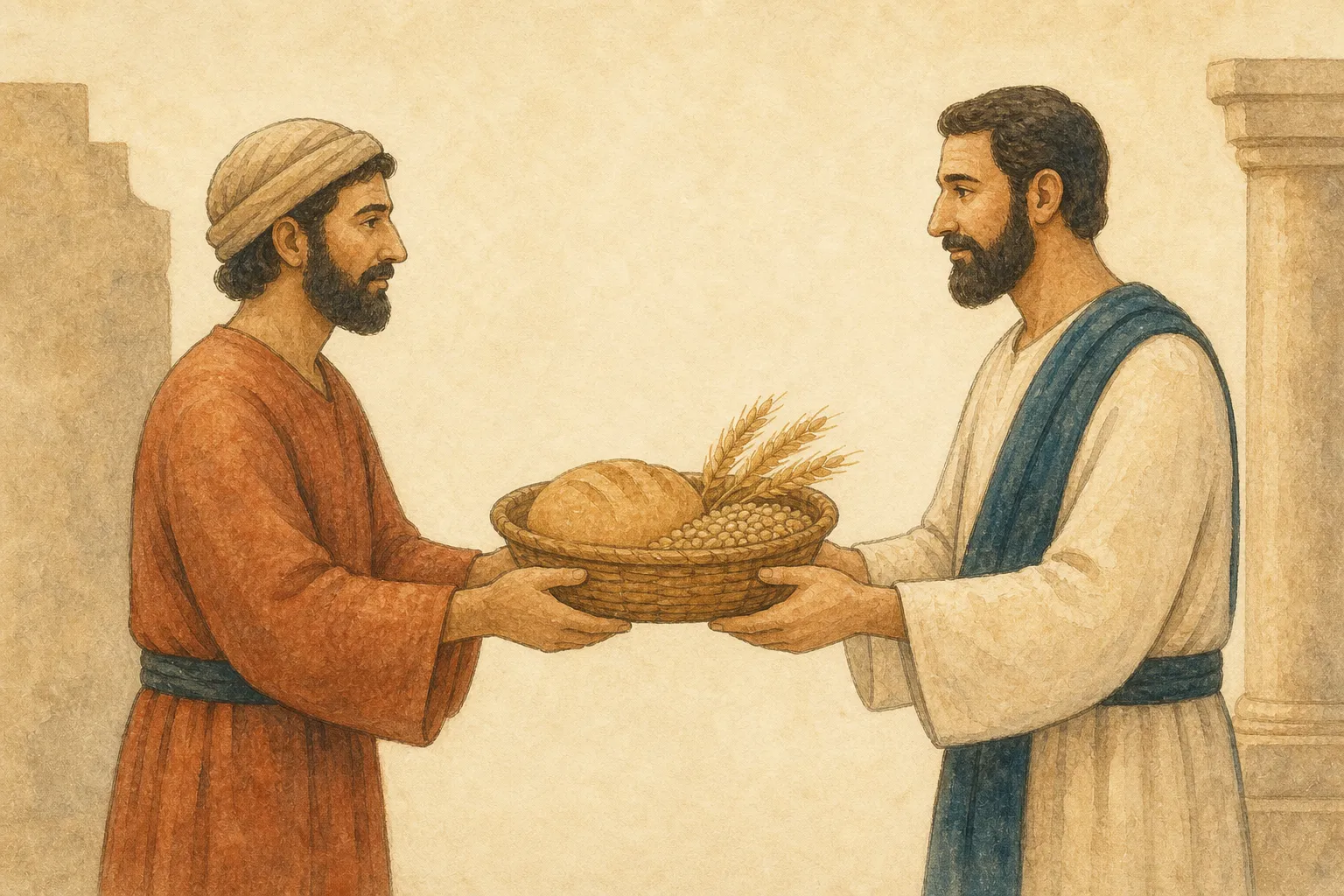
A portion appointed for livelihood and service
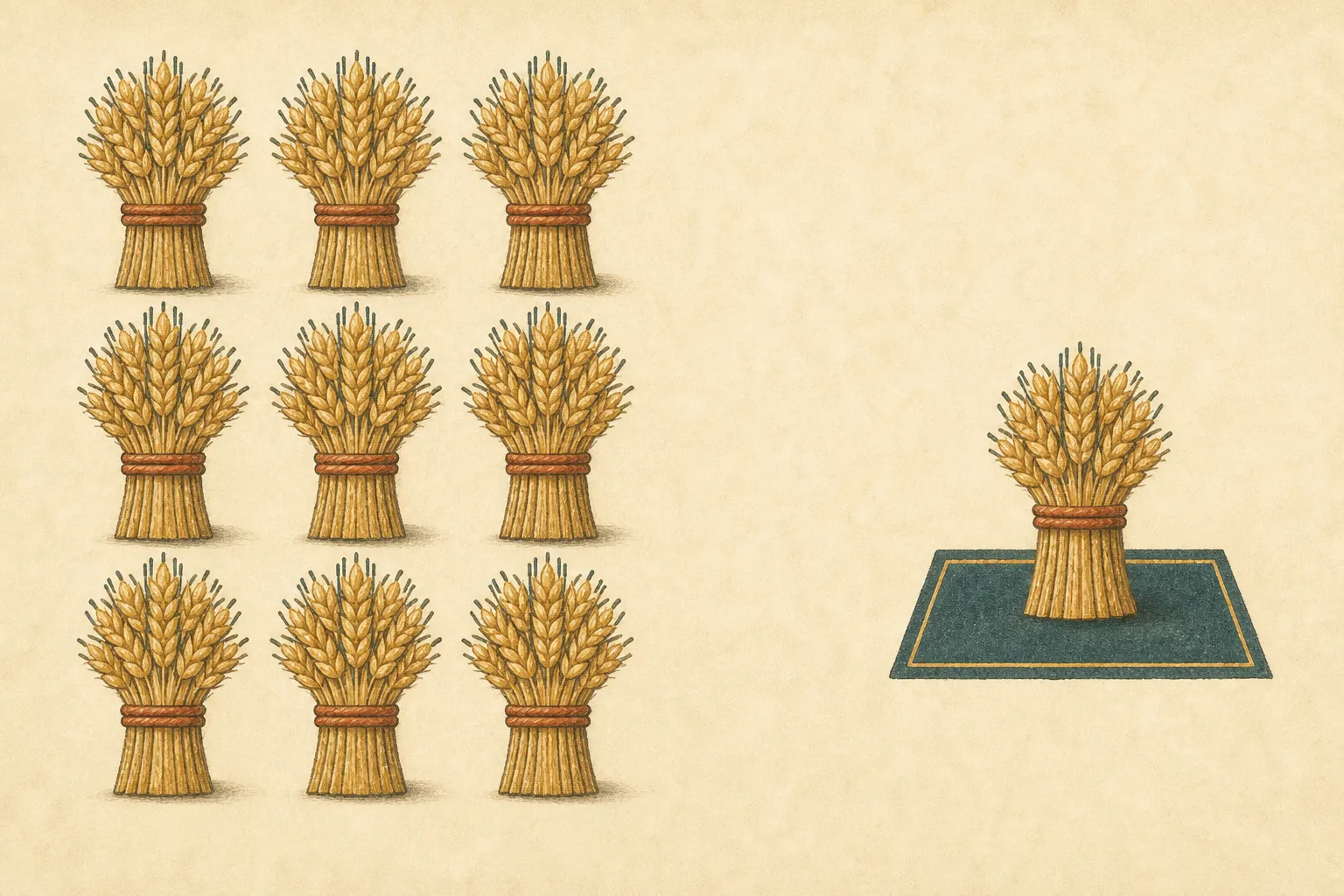
A tenth of the produce and gifts offered to God
When We Trespass against What Belongs to God
“If anyone commits a breach of faith and sins unintentionally in any of the holy things of the LORD…”
— Leviticus 5:15
A concept to understand first
What Are “the Holy Things of the LORD”?
Miqodshei Adonai
מִקָּדְשֵׁי
Sacred things are those distinguished for a special use—things set apart as belonging to God.
- Things offered in sacrifice
- Things consecrated to God
- Portions belonging to the priests
- Tithes and contributions
A modern extension · Sacred resources entrusted to us today
- My body and health: not treating the body, which is a temple, carelessly or indulgently
- Family and children: not controlling children, God’s heritage, as though they were my possessions
- God’s creation: not destroying nature and the environment through greed
What Has Been Set Apart for God Is Not Ours to Use as We Please
“The holy things of the LORD” (מִקָּדְשֵׁי יְהוָה · miqodshei Adonai) include sacrifices, things consecrated to God, the priests’ portions, tithes, and contributions—things that belong to God in a particular way.
From Trespass against Sacred Things to Restored Relationship
To use or damage what belongs to the LORD as if it were one’s own is more than material loss. It violates God’s ownership and commits the betrayal called meilah, breaking trust with God.
- Maal (מעל, an act): the act of betraying and violating trust
- Meilah (מְעִילָה, a condition of guilt): the guilty state created by violating God’s property and breaking trust
מעל · KEY WORD 01
Maal · Betrayal
The verb translated “commits a breach of faith” (maal) is not the ordinary word for sin. The Hebrew מעל goes deeper than a simple mistake: it describes an act of betrayal, a violation of trust.
— R. Hirsch, Leviticus Commentary, pp. 174–175.
If the purification offering (ḥaṭṭāʾt) addresses the condition of “missing the mark,” the guilt offering addresses a trespass against God’s sphere and ownership. This violation is called meilah (מְעִילָה). Put simply, it is treating what belongs to God as though it were mine and thereby breaking trust with God.
Leviticus 5:15 · Biblical wording and an explanatory rendering
Biblical wording
“If anyone commits a breach of faith and sins unintentionally in any of the holy things of the LORD…”
↓
Explanatory rendering
“If anyone unknowingly treats as personal property something set apart to belong to God, and in doing so betrays God’s trust (maal)…”
Sacred things belong to God. Maal is the act of trespassing against them and betraying God’s trust.
A Trespass against Sacred Things Must Be Valued as a Real Loss
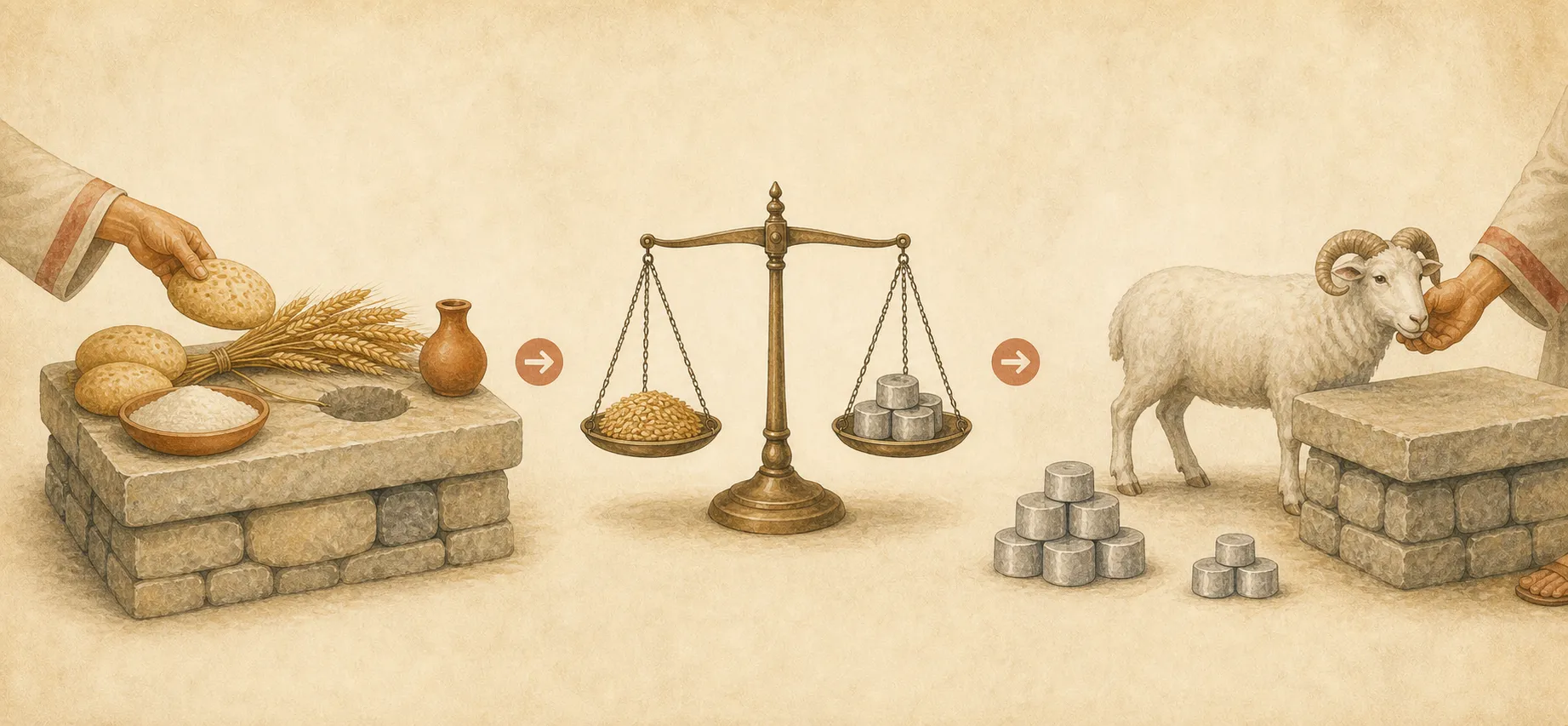
An editorial illustration of valuing a trespass against a consecrated offering by the silver-weight standard, then carrying out restitution and presenting an unblemished ram
The Precise Restitution Process in Leviticus 5:15–16
Leviticus 5:15–16
“…he shall bring to the LORD as his compensation, a ram without blemish out of the flock, valued in silver shekels, according to the shekel of the sanctuary, for a guilt offering. He shall also make restitution for what he has done amiss in the holy thing and shall add a fifth to it and give it to the priest…”
Responsibility Is Measured in Silver by the Sanctuary Shekel
The guilt-offering procedure has two axes: repaying the loss (v. 16) and presenting the guilt offering (v. 15). The sanctuary shekel provides the common monetary and value standard for both.
- Assess the principal loss (v. 16)
Measure the original value of the violated sacred property in silver according to the sanctuary shekel. - Add one-fifth in restitution (v. 16)
Add one-fifth—20 percent—to the assessed silver value and give it to the priest. For sacred property it goes to the priest; for a neighbor’s property it goes to the injured person. - Assess the sacrificial animal (v. 15)
The ram offered to God as the guilt offering must likewise be unblemished and, by the sanctuary-shekel standard, worth at least two silver shekels.
Both the restitution for the wrong—the principal plus 20 percent—and the value of the ram offered to God are therefore calculated by the same recognized standard: the sanctuary’s silver shekel.
The View of Samson Raphael Hirsch
The Jewish commentator Rabbi Hirsch explains the theological reason for using the sanctuary shekel in the guilt offering.
- Objective justice rather than subjective judgment
The offender cannot decide, “Surely this is enough,” and settle the matter with a token sum or an inferior offering. Valuation by the standard coin kept at the sanctuary demands exact, objective responsibility. - Reaffirming God’s sovereignty
The sanctuary shekel was a pure-silver coin made according to the sanctuary’s standard mold and stamp. The person who privately trespassed against what was holy (maal) had both the wrong and the restitution measured within God’s sanctuary standard, thereby acknowledging again the divine sovereignty and order that had been violated. - Setting a lower limit on the offering’s value
Citing the Talmudic tradition in Keritot 10b, Hirsch stresses that the ram for the guilt offering had to be worth at least two silver shekels. However poor a person might be, this offering had to meet that minimum. Its costly weight impressed on the offender the seriousness of the betrayal of trust (maal).
— R. Hirsch, pp. 174–176.
Restoration = the value of the violated sacred property + an added fifth (20 percent) + an unblemished ram
The guilt offering does not merely relieve an inner sense of guilt. The offender must calculate the damage to sacred property, restore the principal with the added amount, and then present the offering.
— Baruch A. Levine, Leviticus, pp. 30–31.
Three Features of the Guilt Offering in Leviticus 5:14–16
On this foundation we can identify three features of the guilt offering in Leviticus 5:14–16.
01 · Maal · Betrayal of Trust
“I did not know” does not erase responsibility
Using a sacred thing as personal property is not merely an accidental oversight. The action exposes a loosened attentiveness and reverence toward what belongs to God—a condition in which trust with God has been betrayed.
02 · Ḥomesh · One-Fifth
Repentance appears as responsibility greater than the loss
Adding 20 percent to the original value is not simply a fine. By repaying the actual damage and giving more besides, the offender shows responsibility for restoring the moral and personal fracture caused by the trespass more fully than before.
03 · Asham · Reestablishing Relationship
The guilt offering restores violated rights and order
Presenting an unblemished ram of the prescribed value is an act of recognizing God’s sovereignty again. Beyond forgiveness, the guilt offering centers on restoring the value that was violated and setting right the broken relationship with God.
An easy way to remember
Admit the neglect → repay the loss generously → rebuild the relationship with God.
— R. Hirsch, Leviticus Commentary, pp. 174–177.